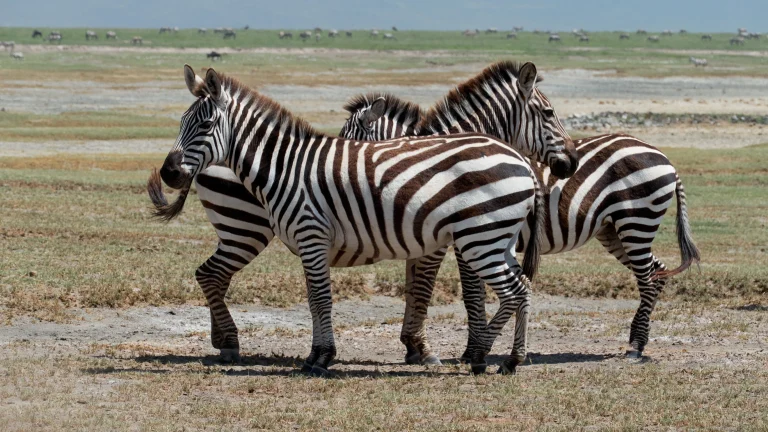
Tanzania’s seasons are more nuanced than “dry good, wet bad.” The right month for your safari depends on what you want to see: river crossings, newborn calves, giant elephant herds, or empty plains at half the price.
The short answer: June to October is Tanzania’s peak dry season and the most reliable window for all-round wildlife viewing across every park. January and February run a close second calving season in the southern Serengeti brings intense predator activity and far fewer visitors than peak season. Avoid April and May unless budget travel is your priority.
This guide breaks down every month so you can match your dates to the experience you’re after.
Tanzania’s Two Seasons (and Why It’s More Complicated Than That)
Tanzania has a dry season and a wet season, but within those broad strokes there are distinct windows, each with its own wildlife logic.
- Dry season: June–October. Vegetation thins, water sources shrink, and animals concentrate in predictable places. This is when the Grumeti and Mara river crossings unfold in the Serengeti, and Tarangire fills with more elephants per square kilometre than almost anywhere on Earth.
- Short dry season: January–February. Often overlooked. The southern Serengeti erupts with around 500,000 wildebeest calves born in just three weeks, drawing lions, cheetahs, and hyenas into close, constant action. Crowds are light; prices are lower.
- Short rains: November–December. Intermittent afternoon showers, not the drenching downpours people fear. Landscapes turn vivid green, migrant birds arrive, and newborn impalas and zebras are everywhere. Good value, beautiful light for photography.
- Long rains: March–May. Sustained, heavy rainfall. Some camps close, dirt roads become difficult, and game viewing is harder. Best left to experienced travellers with a specific reason to go or those on a very tight budget.
Month-by-Month Breakdown
January–February: Calving Season and the Southern Serengeti
This is Tanzania’s most underrated window. The wildebeest herds have moved into the short-grass plains south of the Serengeti — Ndutu, Kusini, and the Ngorongoro Conservation Area to give birth.
Around 8,000 calves are born each day at the peak of the calving season, which typically runs from late January through February. Predators follow in numbers. Our guides regularly watch cheetah hunts, lion prides feeding on newborns, and hyena clans moving through the chaos — sometimes all in a single morning’s game drive.
Crowds are noticeably thinner than June–September. Ngorongoro Crater is also excellent at this time of year: good rainfall means lush green walls and active predators on the crater floor.
Best parks in Jan–Feb: Southern Serengeti (Ndutu), Ngorongoro Crater, Lake Manyara.
June–October: Peak Dry Season
This is Tanzania at its most dramatic for wildlife density and the Great Migration river crossings.
By June, the wildebeest columns are moving north through the central Serengeti toward the Grumeti River. The first crossings unpredictable, terrifying, and extraordinary begin in earnest from late June. July and August bring the most intense crossing action at the Mara River in the northern Serengeti, as crocodiles lie in wait and the herds hesitate, surge, and plunge.
At Tarangire, the dry season concentrates thousands of elephants around the Tarangire River where families, bulls, young males in numbers that make the park feel almost prehistoric.
Across all parks, thinning vegetation makes animals easier to spot, predator sightings are more frequent, and guide experience matters: knowing which crossing point is likely to activate on a given morning separates a good safari from a spectacular one.
Peak months: July–September for river crossings. June and October are excellent and slightly quieter.
“The Mara crossings happen on the wildebeest’s terms, not ours but when it does happen, it’s like nothing else on the planet. We position vehicles at first light and wait. Sometimes it’s two hours, sometimes all day. And then it starts.” Our guide, Gabriel
November–December: The Green Season Begins
The short rains arrive, usually as afternoon thunderstorms rather than all-day downpours. Mornings are often clear and perfect for game drives. The landscape transforms quickly: dusty plains go green within days, and the air clears into that sharp, luminous quality that photographers travel specifically to capture.
Resident wildlife remains, and migrant birds add thousands of species to the mix. Tarangire still holds large elephant herds well into November. December sees the wildebeest begin their southern migration and the very start of calving in Ndutu.
This is one of the best-value times to visit: lodges and camps offer meaningful discounts, and parks feel half-empty.
March–May: The Long Rains
Be honest about this one: March to May is Tanzania’s toughest season. The long rains are sustained and heavy. Some camps in the Serengeti and Selous close entirely. Laterite roads turn to mud and some become impassable without specialist vehicles.
That said, it’s the lowest-cost entry point to Tanzania by a significant margin, and a handful of lodges particularly those in elevated areas remain open and excellent. For an adventurous traveller on a budget who doesn’t mind restricted mobility, it can work. For most first-timers, we’d save that budget for a better window.
Which Park Is Best and When?
| Park | Peak Window | Why |
|---|---|---|
| Serengeti (south) | Jan–Feb | Calving season, predator action |
| Serengeti (north) | Jul–Sep | Great Migration river crossings |
| Ngorongoro Crater | Jun–Oct, Jan–Feb | Dense wildlife, predators year-round |
| Tarangire | Jul–Oct | Largest elephant concentrations |
| Lake Manyara | Nov–Apr | Flamingos, tree-climbing lions, birds |
| Zanzibar | Jun–Oct, Dec–Mar | Dry and warm, calm seas |
Plan Your Safari Around Your Priorities
The honest answer to “when should I go?” is a question back: what do you most want to see?
- River crossings → July to September, northern Serengeti
- Calving and predator drama → January to February, southern Serengeti
- Elephant spectacle → July to October, Tarangire
- Best value → November or January–February
- Zanzibar add-on → combine with June–October for guaranteed beach weather
We build itineraries around your dates, not the other way around. If you’re locked into a school-holiday window in July, we’ll make that extraordinary. If you have flexibility, we’ll match your dates to the experience that will stay with you longest.
Tell us your travel window and we’ll suggest the best itinerary for what you want to see →
Frequently Asked Questions
When is the absolute best time to visit Tanzania?
June to October is the most reliable window for wildlife across all northern parks — animals are concentrated, skies are clear, and the Great Migration river crossings happen in July–September. January and February are an excellent, less-crowded alternative with the bonus of calving season.
Is Tanzania good to visit in January?
Yes. January is one of Tanzania’s best-kept secrets. The southern Serengeti and Ndutu host the wildebeest calving season, with intense predator activity and far fewer tourists than peak season. Prices are also lower than June–September.
What months should I avoid in Tanzania?
March, April, and most of May bring the long rains sustained, heavy rainfall that limits road access, closes some camps, and makes game viewing more difficult. Fine for budget travellers with the right vehicle, but not ideal for a first safari.
How many days do I need in Tanzania?
A minimum of 6–7 days gives you time across two or three parks without feeling rushed. 10–14 days lets you combine the northern circuit with Zanzibar. The more time you allow, the less each day feels like ticking boxes.
Can I combine Tanzania with Zanzibar?
Absolutely — it’s one of the most popular pairings in Africa. Three or four days on Zanzibar after a week in the bush makes for a complete trip. The best beach weather on Zanzibar aligns with Tanzania’s dry season (June–October), making the combination almost seamless.
Mystique Safari is a locally owned Tanzania operator based in Arusha. Every itinerary we design draws on our guides’ first-hand knowledge of the parks. Start planning your trip →